
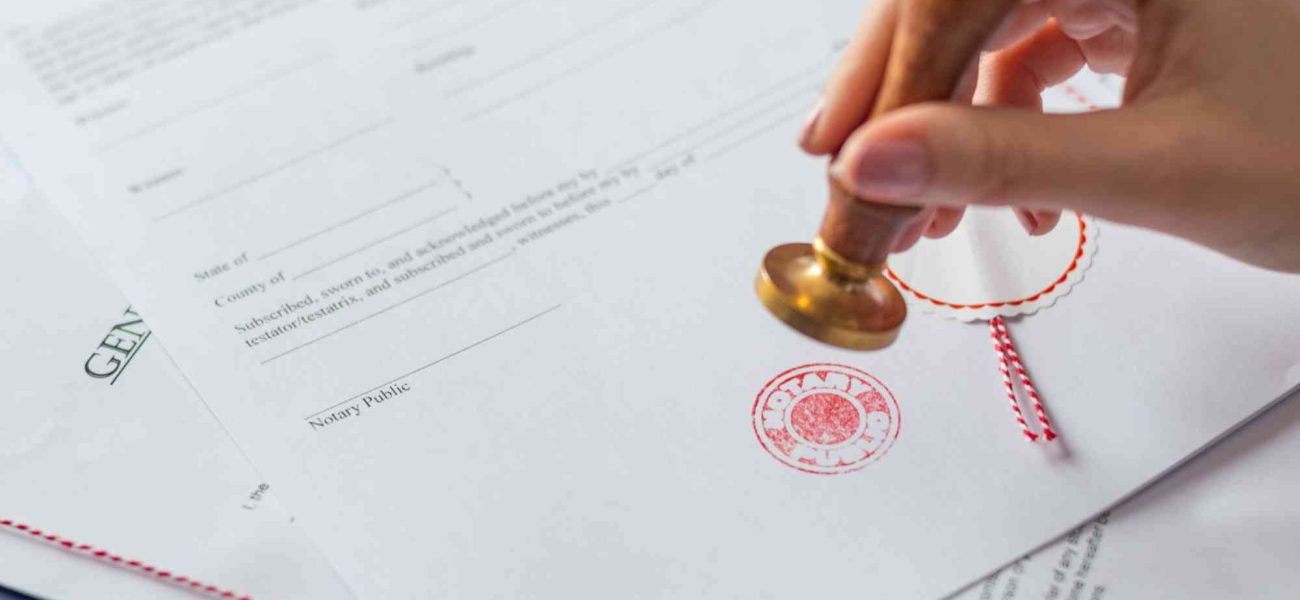
What is the difference between a public notary and a private notary in Dubai
Understanding the difference between a public notary and a private notary in Dubai is essential before proceeding with any notarization. Many individuals and businesses assume all notarization works the same way, but in Dubai, the type of notary you use can directly affect the validity, acceptance, and enforceability of your documents.
This FAQ explains the key differences between public and private notaries, when each is used, what documents they handle, and how Notary public Dubai services and Dubai lawyers help clients choose the correct route without risking rejection or delays.

What is a public notary in Dubai?
A public notary in Dubai is a government-authorized official operating under Dubai Courts. Public notaries have statutory authority to notarize a wide range of personal, commercial, property, and corporate documents.
Documents notarized by a public notary carry the highest level of legal authority and are universally accepted by:
- Government departments
- Courts
- Banks
- Real estate authorities
- Free zones and mainland regulators
When people refer to Notary public Dubai, they are usually referring to this government-backed function.
What is a private notary in Dubai?
A private notary in Dubai is a licensed legal professional—often a qualified lawyer—authorized to notarize specific types of documents under regulated conditions. While private notaries operate independently, their authority is still granted and supervised by the judicial system.
Private notaries were introduced to:
- Reduce congestion at public notary offices
- Offer faster and more flexible services
- Support business and corporate transactions
However, private notaries do not have unlimited authority, and not all documents are eligible.
Key differences between public and private notary services
Authority and scope
Public notaries have broader authority. They can notarize almost all documents permitted under UAE law, including high-risk and high-value matters.
Private notaries havelimited scope, usually restricted to:
- Certain Powers of Attorney
- Corporate resolutions
- Commercial declarations
- Affidavits and undertakings
Dubai lawyers often assess whether a document falls within a private notary’s permitted scope before proceeding.
Acceptance by authorities
Documents notarized by a public notary are accepted universally across all UAE authorities.
Private-notarized documents are generally accepted by:
- Banks
- Licensing authorities
- Commercial entities
However, some authorities—especially those dealing with real estate, inheritance, or litigation—may insist on public notarization.
Property-related documents
Property documents are one of the most critical areas of distinction.
- Public notary: Required for most property-related Powers of Attorney, sale-related declarations, and ownership undertakings.
- Private notary: May notarize limited property POAs depending on the authority and purpose.
For real estate matters, Dubai lawyers usually recommend public notarization to avoid rejection by developers or land authorities.
Corporate and business documents
Private notaries are widely used for corporate documents, such as:
- Board resolutions
- Shareholder resolutions
- Commercial Powers of Attorney
- Company authorizations
These documents are often time-sensitive, making private notary services attractive for businesses.
Public notaries are still required where:
- Company ownership changes
- Share transfers occur
- High-value guarantees are issued
Speed and convenience
Private notary services are generally:
- Faster
- More flexible with appointments
- Easier to coordinate for businesses
Public notary services may involve:
- Fixed locations
- Longer waiting times
- Stricter procedural requirements
That said, public notaries are increasingly offering digital and online options to improve efficiency.
Cost considerations
Fees for both public and private notary services are regulated, but:
- Private notary services may include professional legal fees
- Public notary fees are typically standardized
When legal drafting is required, Dubai lawyers often bundle drafting and notarization, regardless of which notary is used.
Which documents must be notarized by a public notary?
Public notary services are generally required for:
- Property sale and purchase POAs
- Inheritance-related declarations
- Certain wills and guardianship documents
- Settlement agreements with legal consequences
- Documents intended for court proceedings
If a document affects ownership, inheritance, or legal rights, public notarization is usually mandatory.
Which documents can be notarized by a private notary?
Private notaries commonly handle:
- Corporate resolutions
- Commercial POAs
- Affidavits and declarations
- Authorization letters
- Certain settlement undertakings
These documents are typically transactional rather than ownership-altering.
Role of Dubai lawyers in choosing the correct notary
Choosing the wrong notary can result in:
- Document rejection
- Transaction delays
- Financial loss
- Legal disputes
Dubai lawyers play a critical role by:
- Assessing the document’s legal purpose
- Determining authority requirements
- Advising whether public or private notarization is required
- Ensuring compliance before notarization
Their involvement prevents costly mistakes that may not be immediately obvious.
Online notarization and notary type
Both public and private notaries may offer online notarization for eligible documents. However:
- Not all documents qualify for online notarization
- Some authorities require physical notarization regardless
Notary public Dubai online services are subject to stricter verification, especially for high-risk documents.
Risks of using the wrong notary
Using a private notary when public notarization is required can lead to:
- Rejection by authorities
- Inability to register property
- Invalid powers of attorney
- Enforcement challenges in court
Once a document is rejected, it often must be redrafted and re-notarized, increasing cost and delay.
Practical guidance for individuals and businesses
If you are unsure:
- Use a public notary for property, inheritance, and court-related matters
- Consider a private notary for routine corporate and commercial documents
- Consult Dubai lawyers before notarization, not after rejection
This approach minimizes risk and ensures smooth processing.
Final thoughts
The difference between a public notary and a private notary in Dubai is not just procedural—it is legal and strategic. While both play important roles in Dubai’s legal system, their authority, scope, and acceptance differ significantly.
Using official Notary public Dubai services ensures the highest level of legal certainty, while private notaries offer speed and flexibility for suitable documents. With guidance from experienced Dubai lawyers, you can confidently choose the correct notarization route, protect your interests, and avoid unnecessary complications in Dubai’s highly regulated legal environment.