
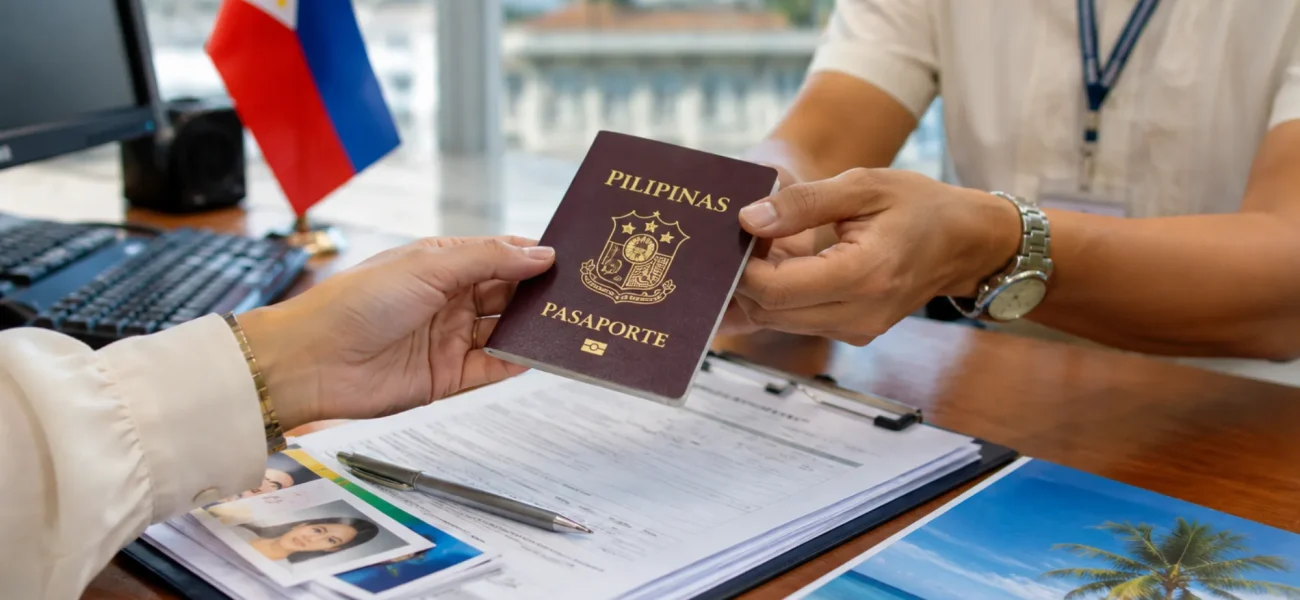
Whether you are planning a short island-hopping holiday or an extended stay exploring the archipelago’s 7,000-plus islands, understanding the full cost picture before you arrive is the kind of practical advantage that separates a smooth trip from an expensive administrative headache. For general travel planning resources that pair well with visa research, the smart travel planning guide on HatchMyRide offers useful context on building complete, cost-aware travel itineraries.
Who Needs a Philippines Tourist Visa in 2026?
The Philippines operates a tiered entry system — the visa requirement (or exemption) depends entirely on your passport nationality and the intended duration of your stay. Citizens of 157 countries are exempt from obtaining a visa before arrival, but this exemption only covers stays up to 30 days. Beyond that threshold, the system diverges based on nationality and the type of extension applied for.
| Entry Category | Who Qualifies | Initial Stay Allowed | Visa Fee on Entry |
|---|---|---|---|
| Visa-Free Entry | Citizens of 157 visa-exempt countries (US, UK, EU, Australia, etc.) | 30 days | Free |
| Visa on Arrival | Citizens of select countries not on exempt list | 30 days | PHP 3,000 (~$53) |
| Pre-arranged Tourist Visa (9a) | Nationalities requiring prior visa (e.g., some Asian/African countries) | 59 days | PHP 3,000 (~$53) at consulate |
| Balikbayan Privilege | Filipino nationals abroad + accompanying foreign spouses and children | 1 year (no visa) | Free |
| e-Visa (select categories) | Available for select nationalities through DFA portal | 30–59 days depending on type | PHP 2,500–3,000 (~$44–$53) |
The key insight for most Western, Australian, and Gulf-based travellers is that they arrive in the Philippines without paying any visa fee — but this free 30-day entry is where the cost questions actually begin, because the majority of travellers who spend more than a month in the Philippines will need at least one extension. Knowing the exact extension fee structure in advance shapes the overall trip budget as much as the initial entry cost.
Philippines Tourist Visa Fee for Nationalities That Require Pre-Arrangement
Not everyone enters the Philippines on the visa-free track. Citizens of countries that have not entered into bilateral visa exemption agreements with the Philippines — a list that includes several South Asian, African, and Middle Eastern nationalities — must apply for a tourist visa (Category 9a) at a Philippine embassy or consulate before arrival. In 2026, the standard fee for this pre-arranged tourist visa is approximately PHP 3,000 (roughly $53 at current exchange rates), paid in the local currency equivalent at the consulate.
| Visa Type | Validity Period | Government Fee (PHP) | Approx. USD |
|---|---|---|---|
| Single Entry Tourist Visa (9a) | 59 days initial stay | PHP 3,000 | ~$53 |
| Multiple Entry Tourist Visa (9a) | 1 year validity, 59 days per entry | PHP 6,000 | ~$106 |
| Visa on Arrival (select nationalities) | 30 days | PHP 3,000 | ~$53 |
| Consular service fee (additional) | Varies by consulate | PHP 500–1,000 | ~$9–$18 |
Consular fees vary slightly by location — the Philippine embassy in Dubai, Riyadh, or Islamabad may charge slightly different administrative fees compared to consulates in Europe or North America, though the government visa charge component remains standardized. Always verify the exact fee schedule at the specific consulate in your country before submitting an application.

Philippines Tourist Visa Extension Fees: The Key Cost for Long Stays
The Philippines Bureau of Immigration (BI) allows tourists to extend their stay well beyond the initial 30 or 59 days through a progressive extension system. This is where the vast majority of cost questions arise — not at entry, but during the stay. Extensions are processed at Bureau of Immigration offices in Manila and regional offices across major Philippine cities.
| Extension Type | Extension Period | Fee (PHP) | Approx. USD | Notes |
|---|---|---|---|---|
| First extension (visa-free arrivals) | 29 days (to 59 days total) | PHP 3,030 | ~$53 | Includes extension fee + express lane if needed |
| Subsequent extensions (per month) | Per 29-day period | PHP 3,030 – PHP 4,320 | ~$53 – $76 | Fee increases progressively beyond 6 months |
| ACR-I Card (required after 59 days) | Annual | PHP 1,020 (initial) / PHP 390 (renewal) | ~$18 / ~$7 | Mandatory Alien Certificate of Registration card |
| ECC (Exit Clearance Certificate) | Per departure | PHP 710 – PHP 1,130 | ~$13 – $20 | Required for stays over 6 months before departure |
| Overstay fine (per day) | Per day beyond authorized stay | PHP 500 per day | ~$9 per day | Applied at departure; potentially deported |
The progressive fee structure for extensions beyond six months reflects the Philippine government’s aim to encourage proper long-stay documentation while still accommodating the large community of foreign retirees, digital nomads, and long-term visitors who spend significant periods in the country. The ACR-I Card — the Alien Certificate of Registration Identity Card — is a mandatory document for anyone staying beyond 59 days and must be obtained at the Bureau of Immigration. Arriving at the departure gate without it when you have exceeded the 59-day threshold causes significant delays and potential fines.
Total Cost Breakdown: Philippines Tourist Visit Scenarios in 2026
Consolidating the entry, extension, and additional document costs across different stay scenarios:
| Stay Duration | Entry Cost | Extensions Required | Additional Docs | Total Approx. (PHP) | Total Approx. (USD) |
|---|---|---|---|---|---|
| 30 days (visa-free) | Free | None | None | PHP 0 | $0 |
| 60 days (visa-free + 1 extension) | Free | 1 × PHP 3,030 | None | PHP 3,030 | ~$53 |
| 90 days (visa-free + 2 extensions) | Free | 2 × ~PHP 3,030 | ACR-I Card PHP 1,020 | ~PHP 7,080 | ~$125 |
| 6 months (visa-free + 5 extensions) | Free | 5 × ~PHP 3,030 | ACR-I Card PHP 1,020 | ~PHP 16,170 | ~$285 |
| 6 months (pre-arranged 9a visa) | PHP 3,000 | 4 × ~PHP 3,030 | ACR-I Card PHP 1,020 | ~PHP 16,140 | ~$285 |
| 1 year (any route — ECC required) | Free or PHP 3,000 | 10 × ~PHP 3,600 avg | ACR-I + ECC ~PHP 1,840 | ~PHP 37,840 | ~$667 |
One practical note on these figures: the Philippine peso exchange rate with the USD and other major currencies fluctuates, so the dollar equivalents above should be used as planning estimates rather than fixed amounts. Always calculate your actual cost in PHP and convert at the current rate closer to your travel date.
The ACR-I Card: What It Is and Why It Matters for Your Budget
The Alien Certificate of Registration Identity Card (ACR-I Card) is a mandatory ID issued by the Philippine Bureau of Immigration to foreign nationals staying more than 59 days in the country. It is not optional — failure to obtain it when required is a violation of Philippine immigration law and results in fines and complications at departure.
The initial ACR-I Card costs PHP 1,020 (approximately $18) and must be applied for at a Bureau of Immigration office within 60 days of arrival. The card is valid for one year, with annual renewals costing PHP 390 (~$7). For most short-term extension scenarios — stays of two to three months — this is a minor cost. For longer-term visitors spending multiple months annually in the Philippines, it becomes a recurring budget line that deserves explicit inclusion in annual travel cost estimates.
The ACR-I Card must be surrendered at departure. If lost, a replacement costs PHP 2,050 (~$36) — a meaningful expense that makes careful storage of the card throughout the stay financially important. Many long-term Philippines visitors keep a photocopy and store the original in hotel safe storage during day trips and island hopping to reduce loss risk.
Philippines Tourist Visa for UAE, Indian, and Pakistani Residents
The Philippines has become an increasingly popular destination for residents of the UAE and Gulf states — the combination of beach destinations, relatively low costs, and direct flight connections from Dubai and Abu Dhabi make it an attractive option for both short holidays and extended visits. For residents of the UAE who hold passports from visa-exempt countries (US, UK, EU, Australian passport holders), entry to the Philippines remains free and straightforward. For UAE residents holding Pakistani, Indian, or Bangladeshi passports, the situation is more nuanced.
Indian Nationals
Indian passport holders receive visa-free access to the Philippines for up to 30 days — India was added to the visa exemption list in recent years. This means Indian tourists can enter without a pre-arranged visa, stay up to 30 days at no entry cost, and extend once for an additional 29 days through the Bureau of Immigration for approximately PHP 3,030. For stays beyond 59 days, the ACR-I Card requirement applies.
Pakistani Nationals
Pakistani passport holders are not on the Philippines visa-free list and must apply for a Category 9a tourist visa at the Philippine embassy in Islamabad or the consulate in Karachi before travel. The visa fee is approximately PHP 3,000 equivalent (paid in PKR at current exchange), with the consulate adding a service fee. Processing typically takes 5–10 business days. The issued visa grants a 59-day stay on arrival, after which extensions follow the standard BI process. For Pakistani travellers planning a Philippines holiday, the travel prices and costs section on HatchMyRide covers regional travel budgeting guides that complement destination-specific visa cost research.
How to Apply for a Philippines Tourist Visa: Step-by-Step
- Step 1 — Check your nationality’s visa status: Visit the Philippine Bureau of Immigration website or the Department of Foreign Affairs portal to confirm whether your passport qualifies for visa-free entry, visa on arrival, or requires a pre-arranged visa application.
- Step 2 — If visa-free: no pre-application needed: Ensure your passport has at least 6 months validity beyond your planned departure date, carry proof of onward travel (return or connecting ticket), and have a confirmed accommodation address for your first night. Philippine immigration officers may request these documents at arrival.
- Step 3 — If visa required: visit the Philippine embassy: Book an appointment at the Philippine embassy or consulate in your country. Prepare the required documents (see section below) and pay the applicable fee in local currency at the consulate.
- Step 4 — Travel and clear immigration: Present your passport, completed arrival card, and onward travel proof at Philippine immigration. Visa-free travellers are typically processed in 5–10 minutes at major international airports.
- Step 5 — Apply for extension if needed: Visit a Bureau of Immigration office (or use the BI Online portal for certain services) before your authorized stay expires. Bring your passport, ACR-I Card if already issued, and the required fee.
- Step 6 — Obtain ACR-I Card if staying beyond 59 days: Apply in person at the nearest BI office within 60 days of arrival. Bring your passport and two recent passport photographs. Pay the PHP 1,020 card fee.
- Step 7 — Obtain ECC before departure if staying over 6 months: Apply for the Emigration Clearance Certificate at the BI before your departure flight. Failure to obtain it when required will cause significant delays at the airport departure gate.
Required Documents for Pre-Arranged Philippines Tourist Visa
- Valid passport (minimum 6 months validity beyond intended departure)
- Completed Philippine visa application form (available at embassy or online)
- Recent passport-size photographs (white background, specific size per consulate requirements)
- Confirmed return or onward travel tickets
- Proof of accommodation (hotel booking confirmation or host invitation letter)
- Bank statements showing sufficient funds (typically PHP 50,000 equivalent or more per month of stay)
- Travel insurance documentation (not mandatory but increasingly requested by some consulates)
- Employment letter or proof of enrollment (for students) confirming authorization to travel
Visa Overstay Consequences: Why Timing Matters
Philippine immigration enforcement around overstays is stricter than the casual “island time” atmosphere of the country might suggest. Overstaying your authorized period of stay — even by a single day — results in a fine of PHP 500 per day at departure. Beyond two months of overstay, the Bureau of Immigration may also impose an additional blacklisting investigation, and in serious cases, deportation orders that bar re-entry. For a traveller who simply lost track of their extension date during an island-hopping trip, these consequences arrive as a significant and wholly preventable expense.
The single most effective practice for avoiding overstay fines is photographing your arrival stamp and extension receipts with your phone at the time of issue and setting a calendar reminder seven days before each authorized stay expires. Bureau of Immigration offices in popular tourist cities — Cebu, Boracay-adjacent Caticlan, Puerto Princesa, Davao — process routine extensions quickly during off-peak hours (morning, Monday–Wednesday). Attempting to extend on a Friday afternoon at a busy Manila office is a reliable way to cause unnecessary stress.
Philippines vs. Other Southeast Asia Tourist Visa Costs: Comparison
For travellers planning a wider Southeast Asia itinerary, benchmarking the Philippines tourist visa cost against regional alternatives puts the fee structure in useful perspective.
| Destination | Entry Fee (Most Western Passports) | Max Free Stay | Extension Available? | Extension Cost |
|---|---|---|---|---|
| Philippines | Free | 30 days | Yes (at BI offices) | ~PHP 3,030 ($53) per 29 days |
| Thailand | Free (VISA exemption) | 60 days (2024 extension) | Yes (30-day extension) | THB 1,900 (~$53) |
| Malaysia | Free | 90 days | Limited | Varies |
| Indonesia (Bali) | Free (30 days) or $35 VOA | 30 days | Yes (30-day extension) | IDR 500,000 (~$31) |
| Vietnam | Free (45 days for select passports) | 45 days | Yes | $25 – $50 |
The Philippines compares favourably on initial entry — free for most nationalities — but the extension cost per month (~$53) is broadly comparable to Thailand and higher than Indonesia. The mandatory ACR-I Card for stays beyond 59 days is a cost not present in most other regional destinations and adds ~$18 for longer visits. For travellers choosing between Thailand and the Philippines as a longer-stay base, the visa cost differential is modest; the decision is more appropriately driven by activities, island preferences, and cost of living than visa fees. Thailand’s popular island destinations and the Philippines’ extraordinary diving and beach variety are both covered in detail in destination guides — the Thailand destination section on HatchMyRide is a useful companion for anyone comparing the two destinations for an extended stay.
Common Mistakes That Cost Philippines Tourists More Money
- Not extending before the authorized stay expires: A single day of overstay triggers PHP 500 in fines at the airport. Set phone reminders well in advance and build extension visits into your island itinerary — not as a last-minute task the day before flight.
- Forgetting the ACR-I Card requirement: Many first-time Philippines long-stay visitors are unaware the ACR-I Card even exists until they are questioned at departure for not having it. Research this requirement explicitly if planning any stay beyond two months.
- Exchanging currency at the airport for extension fee payment: Bureau of Immigration fees must be paid in Philippine pesos. Airport exchange rates are consistently worse than city exchange counters or ATM withdrawals. Withdraw PHP before visiting the BI office to avoid paying a currency exchange premium on a fee that is already in PHP.
- Underestimating the ECC requirement: Foreign nationals who have stayed more than six months must obtain an Emigration Clearance Certificate before departure. This is not an on-the-day airport transaction — it requires a BI office visit that should be scheduled several days before departure to avoid flight delays if there are any processing issues.
- Relying on fixed dollar equivalent for fee estimates: The PHP/USD exchange rate fluctuates, and in some years the movement has been significant. Always calculate PHP amounts first and convert at the day’s rate — using last year’s conversion estimate can under-budget fees meaningfully if the peso has strengthened.
Practical Tips for Minimising Your Philippines Visa Costs
For visitors planning stays beyond 30 days, several practical strategies reduce the total cost of legitimate extended stays:
First, apply for a 59-day initial visa at the consulate before travel if your nationality requires a pre-arranged visa. This costs the same as a 30-day visa on arrival but gives 29 additional days before the first extension is needed — effectively getting one extension cycle for free.
Second, process extensions during regular BI business hours on weekdays. Some BI offices charge additional express fees for same-day processing or Saturday appointments that add PHP 500–1,000 to the standard extension fee. Planning ahead avoids needing the express service.
Third, consider the Special Retirement Resident Visa (SRRV) or Long-Stay Visitor Visa Extension (LSVVE) for stays beyond six months. These structured long-stay programs offer better per-month costs than monthly tourist extensions for visitors who know they will be staying for extended periods from the outset.
For those planning comprehensive travel across Southeast Asia with the Philippines as one stop, understanding all the visa and entry cost variables for each country makes total trip budgeting significantly more accurate. Resources that cover the broader regional travel picture — like the island travel guides on HatchMyRide — offer destination comparison context that complements the visa cost framework covered here.
Bureau of Immigration Online Services: What You Can Do Digitally
The Philippine Bureau of Immigration has progressively expanded its online services, reducing the need to physically queue at a BI office for every extension-related transaction. The BI Online portal (bi.gov.ph) allows registered users to submit extension applications for processing and pay fees digitally before attending the office for final stamp collection.
This hybrid model — digital submission with a brief in-person appearance for biometrics and stamp — significantly reduces the time cost of extension visits without eliminating the physical appointment entirely. For travellers based in Manila or major tourist hubs with BI regional offices, this is a material improvement in the extension process. For those on remote islands with no convenient BI access, the practical reality is that extensions require a day trip to the nearest regional centre — a cost (transport, accommodation) that should be factored into the budget for island-based long stays.
Frequently Asked Questions About Philippines Tourist Visa Price in 2026
How much does a Philippines tourist visa cost in 2026?
Citizens of 157 visa-exempt countries (including the US, UK, EU states, Australia, and India) enter the Philippines free for up to 30 days. Nationals requiring a pre-arranged visa (such as Pakistani passport holders) pay approximately PHP 3,000 (~$53) at the consulate. Visa on arrival for eligible nationalities also costs PHP 3,000. The first extension (adding 29 days) costs approximately PHP 3,030 (~$53) at a Bureau of Immigration office.
Do I need a visa to visit the Philippines from Dubai?
It depends on your passport nationality, not your country of residence. UAE residents holding US, UK, EU, or Australian passports enter visa-free. Indian passport holders also qualify for visa-free entry since India was added to the exemption list. Pakistani, Bangladeshi, and certain other Asian passport holders need to apply for a pre-arranged 9a tourist visa at the Philippine consulate in their home country or country of legal residence before travelling.
How long can I stay in the Philippines as a tourist in 2026?
Visa-free arrivals initially receive 30 days. This can be extended monthly at Bureau of Immigration offices, with the maximum cumulative stay for a standard tourist visa being 36 months (3 years) through sequential extensions — though the practical and cost reality makes stays beyond 12 months the domain of those using formal long-stay visa programs rather than tourist extensions.
What is the ACR-I Card and do I need it?
The Alien Certificate of Registration Identity Card is a mandatory ID for foreign nationals staying in the Philippines beyond 59 days. It must be obtained within 60 days of arrival at a Bureau of Immigration office. The initial card costs PHP 1,020 (~$18) and renews annually for PHP 390 (~$7). Failure to obtain it when required results in fines and departure complications.
What is the overstay fine in the Philippines in 2026?
The overstay fine is PHP 500 (~$9) per day beyond the authorized stay period, collected at the airport departure gate. For serious overstays, additional investigation fees and potential blacklisting apply. Always extend your stay at a BI office before the authorized period expires to avoid this entirely preventable cost.
Can I extend my Philippines tourist visa online in 2026?
Partial online processing is available through the Bureau of Immigration’s BI Online portal — you can submit your application and pay digitally, then attend the office for a brief appointment to collect your extension stamp. Fully remote, mail-based extensions are not available for standard tourist visa extensions. A brief in-person BI visit remains part of the process.
Conclusion: Know Your Full Philippines Tourist Visa Cost Before You Travel in 2026
The tourist visa Philippines price in 2026 begins at zero for most international visitors — but the true cost of a Philippines stay depends almost entirely on duration and how many extensions are required. For the growing number of travellers who treat the Philippines as a long-term destination rather than a short holiday, the extension system, ACR-I Card requirement, and ECC process add up to a meaningful budget line that deserves explicit planning. Apply through official channels, track your authorized stay carefully, process extensions before they expire, and the Philippines remains one of the most accessible and cost-effective tropical destinations in the world. For travellers building out their full Southeast Asia itinerary and wanting broader trip planning inspiration, the regional destination guides on HatchMyRide cover neighbouring countries and help you build a connected travel budget across the region.
Related Reading: Turkey Transit Visa Price in 2026: Total Cost, Fees & Process