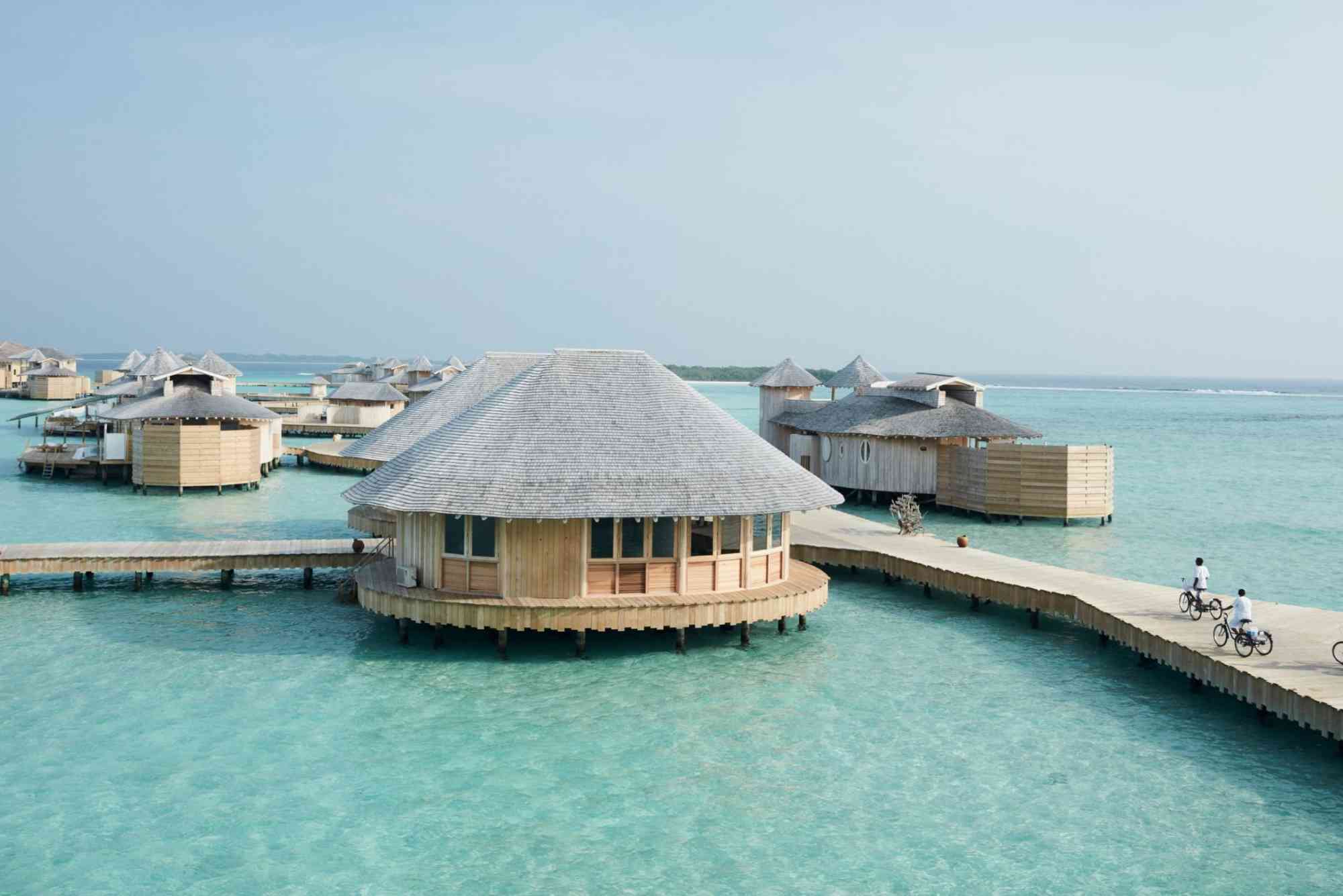
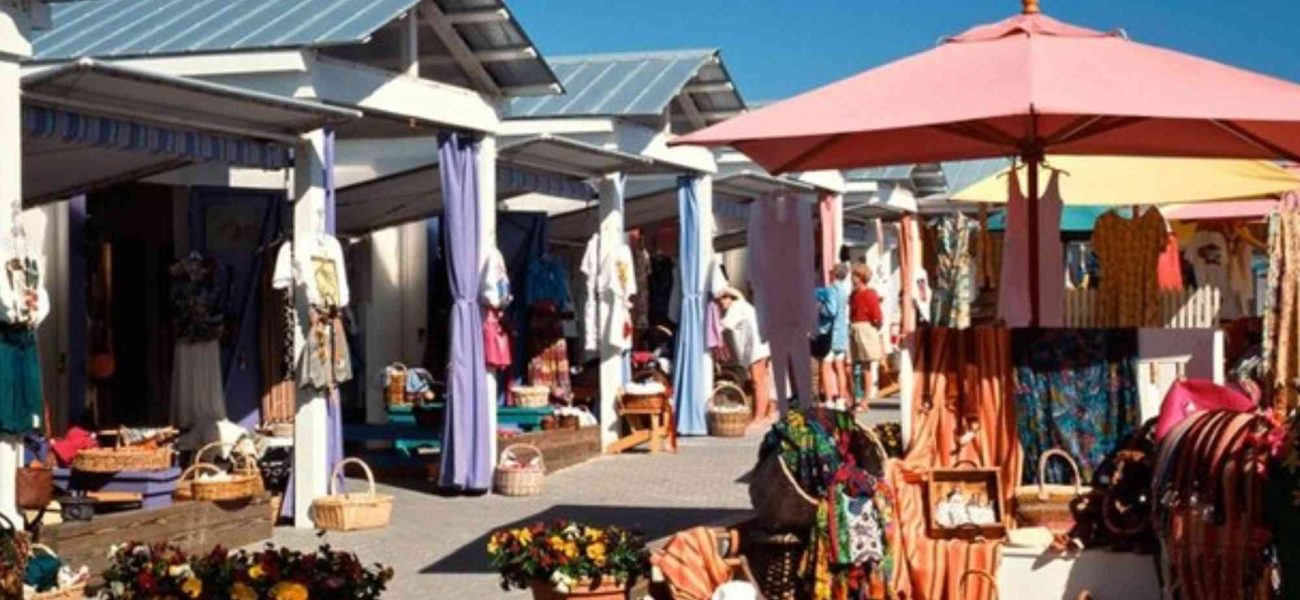
The phrase “Markets malls seaside” captures a mix of energy, culture, and scenic beauty found in many coastal cities. These places offer a blend of local markets, modern malls, and breezy seaside promenades that create memorable shopping and leisure experiences. Whether you want handcrafted goods, global brands, or a relaxed oceanfront walk, seaside shopping districts provide something for every curious traveler. This guide explores how these spaces work together, why they attract so many visitors, and how fitness-driven communities such as Orange Theory Mountain View connect to this lifestyle.
Understanding the Appeal of Markets Malls Seaside Districts
Coastal shopping zones feel unique because they combine commerce with atmosphere. The sea shapes the mood. It influences design, activities, and even the types of shops you find. As a result, markets, malls, and beaches create an ecosystem that encourages slow exploration. Visitors enjoy the ease of moving from fresh ocean air to bustling indoor spaces without losing the sense of escape that seaside towns offer.
How the Ocean Shapes Shopper Behavior
People behave differently near the sea. They slow down. They look around more. They feel more open to discovery. This natural shift makes coastal districts ideal for thoughtful browsing. Markets thrive because visitors value handmade pieces that reflect local identity. Malls do well because travelers mix relaxation with practical shopping needs. The seaside walkway brings everything together by offering room to reflect between purchases.
Why Local Markets Matter in Coastal Towns
Local markets near the sea often focus on fresh food, crafts, and cultural expressions. Vendors share stories. Shoppers feel connected to the place. The sound of waves and the scent of salty air shape the atmosphere. This blend makes each purchase feel meaningful. Markets near beaches also attract returning visitors because products often change with seasons and local events.
How Modern Malls Add Comfort and Convenience
While markets offer charm, malls offer structure and predictability. They bring top brands, entertainment features, and climate-controlled comfort that helps during very hot or rainy days. Coastal malls often adopt light architecture and ocean-inspired interiors. This keeps the seaside theme intact even indoors. Many malls also host fitness studios, including those like Orange Theory Mountain View, that attract health-focused visitors who blend shopping with wellness routines.
Exploring the Connection Between Fitness Culture and Seaside Shopping Zones
Fitness studios and coastal retail spaces share an interesting bond. Both encourage active lifestyles. The sea inspires movement. Long walks, early runs, and outdoor workouts feel natural near water. Malls near beaches often include wellness brands, activewear stores, and boutique gyms. This creates a lifestyle loop where people shop, exercise, relax, and explore in the same area.
The Role of Orange Theory Mountain View in Coastal Lifestyle Trends
Orange Theory, including locations such as Orange Theory Mountain View, has become popular among coastal communities and frequent travelers. Its heart-rate-based training aligns with the energetic rhythm of oceanside cultures. Many shops near beaches sell nutrition products, swimwear, and athleisure that support this fitness-driven lifestyle. As more people pursue balanced wellness, malls and markets adapt by offering products aligned with movement and outdoor enjoyment.
How Seaside Spaces Boost Motivation and Well-Being
There is a clear emotional benefit to working out or shopping near the sea. Natural sounds and views lower stress. Even small breaks spent watching waves can improve focus. Many fitness enthusiasts choose coastal markets and malls for post-workout meals. Fresh produce stands, smoothie bars, and artisan snack shops make recovery enjoyable. The full experience becomes a healthy routine rather than a quick errand.
Design Trends in Markets Malls Seaside Districts
Coastal retail districts follow certain design principles. These choices reflect environmental needs, visitor behavior, and the cultural identity of the area. Designers focus on airflow, natural light, and open spaces that blend indoor and outdoor zones. This makes each transition—from market stalls to mall corridors to seaside paths—smooth and intuitive.
Blending Indoor and Outdoor Environments
The best seaside retail areas feel seamless. You step out of a shop and see water. You move from a market stand to a shaded walkway without losing your sense of direction. Light colors, natural textures, and organic shapes guide visitors toward the ocean. These design choices help reduce heat, improve comfort, and enhance relaxation.
Supporting Local Culture Through Architecture
Markets often use traditional building styles or temporary stalls that mirror local heritage. Coastal malls may display artwork, maritime motifs, or community installations. These touches help travelers understand the identity of the region. Even simple elements such as wooden benches, nautical accents, and open balconies contribute to a sense of place.
Environmental Considerations in Coastal Retail Areas
Seaside buildings face humidity, wind, and salt exposure. Architects select durable materials that resist wear. Markets rely on portable or renewable structures. Malls install advanced ventilation systems and corrosion-resistant elements. These decisions help maintain long-term sustainability and visitor safety.
How Visitors Experience Markets Malls Seaside Districts
The visitor experience is shaped by more than shopping. Coastal districts invite people to explore, taste, listen, and connect. The sea adds emotion to ordinary errands. Each moment feels immersive.
Morning Experiences at Markets
Early mornings bring fresh scents, cool temperatures, and lively vendor conversations. Markets near the sea feel calm yet energetic. Visitors buy produce, seafood, and handmade goods. These interactions set a warm tone for the rest of the day.
Midday Mall Visits and Seaside Breaks
Afternoons often lead people to malls for comfort and shade. Shops feel vibrant. Cafés offer refreshing drinks. Between purchases, visitors take short seaside walks to breathe ocean air. This rhythm balances energy with rest.
Evening Strolls Along the Waterfront
Evenings near the sea glow with golden light. People enjoy quiet walks while watching the horizon. The shift from bright markets to gentle shorelines creates a natural end to the day. It helps visitors feel grounded and grateful.
The Economic Impact of Markets Malls Seaside Districts
These districts support local economies by attracting travelers, creating jobs, and inspiring new businesses. Markets boost artisans and small vendors. Malls bring larger brands and steady employment. The seaside environment attracts constant foot traffic, which supports restaurants, cafés, entertainment venues, and wellness centers.
How Tourism Drives Growth
Tourists spend more in coastal zones because the environment encourages exploration. They stay longer. They eat more often. They try new activities. This behavior helps retailers thrive.
The Role of Seasonal Events
Coastal markets often host festivals, night markets, and weekend events. Malls add seasonal sales and promotions. The sea becomes a natural stage that enhances these activities. Visitors enjoy both shopping and celebration.
Tips for Enjoying Markets Malls Seaside Spaces Like a Local
Locals understand how to move between markets, malls, and the sea without feeling rushed. They start early, take breaks, and explore calmly. Staying hydrated, wearing light clothing, and choosing comfortable shoes improves the experience. It helps create a perfect balance of discovery, rest, and enjoyment.
FAQ: People Also Ask About Markets Malls Seaside
What makes seaside markets different from regular markets?
Seaside markets feel more relaxed and sensory-rich. The ocean air, open views, and local culture shape the atmosphere. Vendors often sell coastal-inspired crafts and fresh foods that reflect the region.
Are malls near the seaside more expensive?
Prices vary. Some seaside malls feature luxury brands, while others offer budget-friendly shops. The range of options depends on the region. Many malls mix premium and affordable stores to attract diverse visitors.
Why do people enjoy shopping near the beach?
Shopping near the beach feels stress-free. The sea adds calmness and beauty. People enjoy combining errands with relaxation and scenic walks. It creates a lifestyle experience rather than a quick purchase.
How can travelers make the most of coastal shopping areas?
Travelers benefit from starting early, staying hydrated, exploring both markets and malls, and taking breaks along the seaside. This pace helps them enjoy each space without rushing.
Embrace the Markets, Malls, and Seaside Lifestyle
The blend of markets malls seaside spaces offers a unique mix of culture, comfort, and beauty. These districts encourage meaningful experiences, healthy habits, and slower moments that stay in memory. Whether you browse local crafts, explore a modern mall, or stroll beside the ocean, each moment shapes your understanding of the place. If you want to explore more coastal lifestyle insights or discover wellness routines linked to seaside living, feel free to dive deeper into our related resources below.