How to Pack Tech for Travel Photography on a Budget
Travel photography combines creativity, adventure, and planning. One major challenge is carrying the right tech without overspending. Knowing how to pack efficiently can save money, reduce stress, and make every trip productive. This guide explains how to pack tech for travel photography on a budget, keeping your gear safe, lightweight, and versatile.
Understanding Your Tech Needs
Choosing Essential Camera Gear
When traveling on a budget, prioritize versatile gear. A mirrorless or DSLR camera with a standard zoom lens is ideal. Consider a lightweight option with image stabilization to reduce the need for multiple lenses. Choose lenses that cover wide-angle and mid-range focal lengths to capture landscapes and portraits without heavy packing.
Selecting Budget-Friendly Accessories
Accessories like tripods, filters, and memory cards are essential. Look for compact, foldable tripods instead of professional full-size ones. Use multi-purpose lens filters to save money. Carry extra memory cards and rechargeable batteries instead of expensive power banks.
Balancing Quality and Portability
High-end gear is tempting, but travel demands portability. Lightweight cameras and lenses prevent fatigue. Prioritize gear that performs well in various lighting conditions while remaining compact.
Organizing Tech Efficiently
Using Dedicated Bags
Invest in a well-padded camera backpack or sling bag. Compartments keep cameras, lenses, and accessories organized. Some budget-friendly options provide adjustable dividers to fit different gear sizes securely.
Packing with Weight in Mind
Distribute weight evenly. Place heavier items close to your back and lighter gear in front pockets. This prevents strain and allows easier access to essentials.
Protecting Fragile Gear
Use padded sleeves for lenses and cameras. Wrap fragile accessories in clothing for added cushioning. Consider waterproof bags for unpredictable weather conditions.
Smart Travel Tech Choices
Power Solutions on a Budget
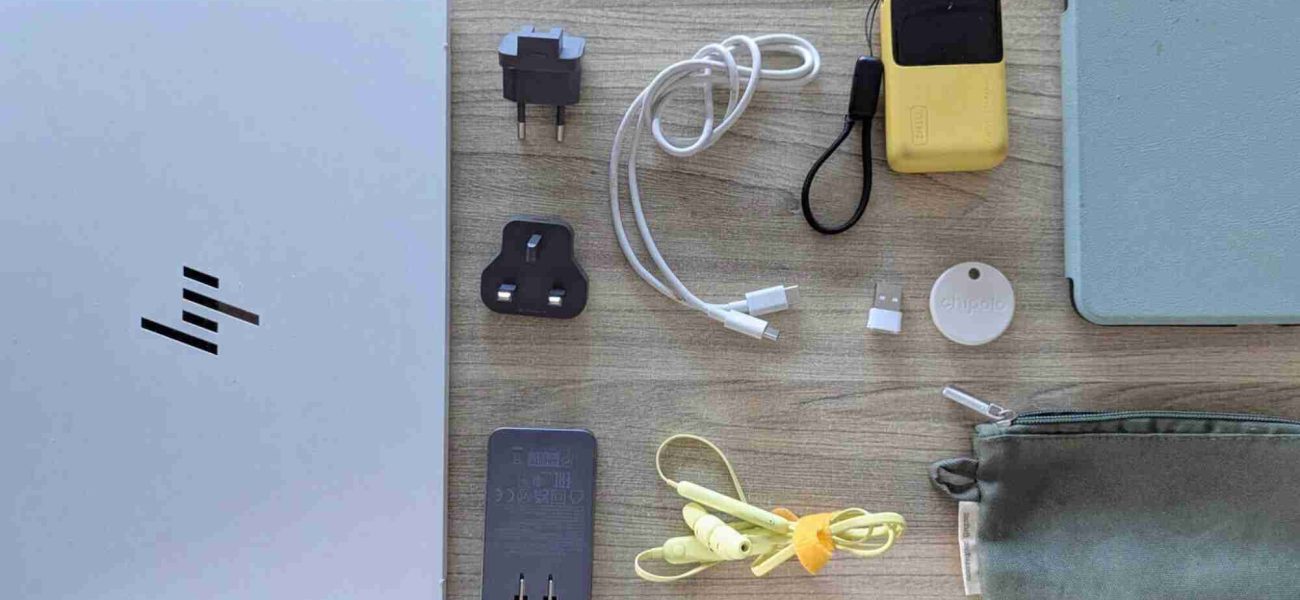
Carry a universal charger or compact power bank. Avoid multiple single-purpose chargers. Consider devices with USB-C compatibility to charge cameras, phones, and other gadgets simultaneously.
Compact Storage Devices
Portable external SSDs are more affordable than ever. They allow quick backups of photos without carrying heavy laptops. Budget options provide enough storage for multi-day trips without compromising speed.
Multi-Purpose Devices
Use devices that serve multiple purposes. A smartphone with a quality camera can double as a backup device. Some tablets can edit photos on the go, reducing the need to carry a laptop.
Packing Tips for Convenience
Layering for Accessibility
Pack gear in layers for quick access. Place daily essentials like camera and memory cards on top. Less-used items like extra lenses can go at the bottom.
Minimizing Cable Clutter
Organize cables with reusable straps or small pouches. Label chargers and cables to avoid confusion. Streamlined cable management prevents lost or damaged cords.
Travel-Friendly Cleaning Kits
Bring a small microfiber cloth and sensor cleaning tools. Keeping lenses and sensors clean avoids costly damage later. Choose compact kits that fit easily in your bag.
Cost-Saving Strategies
Renting Gear Instead of Buying
For specialized equipment like drones or telephoto lenses, consider rentals. Renting saves money and reduces packing load. Many cities offer rental services tailored for travel photographers.
Buying Second-Hand or Refurbished
Second-hand cameras and lenses can be high-quality at a fraction of the cost. Reputable stores offer warranties, ensuring peace of mind while saving money.
Choosing Budget-Friendly Travel Insurance
Protect your gear with travel insurance. Even budget options cover theft, loss, and damage. Insurance avoids expensive replacements abroad and provides stress-free travel.
Maintaining Gear During Travel
Temperature and Humidity Considerations
Avoid exposing cameras to extreme heat or moisture. Use silica gel packets to reduce humidity inside your camera bag. Carry a lightweight rain cover for unexpected showers.
Cleaning Gear Regularly
Wipe lenses and screens daily. Dust and debris can accumulate quickly during travel. Preventing buildup extends your gear’s lifespan.
Securing Gear in Transit
Keep cameras on your person during flights and bus rides. Use locks for backpacks when leaving gear in accommodations. Prioritize safety without overcomplicating your setup.
Packing tech for travel photography on a budget requires strategy, prioritization, and creativity. Focus on versatile gear, smart organization, and protective solutions to ensure both quality and portability. By planning carefully, you can enjoy every trip without overspending or overpacking. Start your next adventure with the confidence of knowing your tech is ready for anything.
Take the first step today: review your current gear and streamline your travel photography setup for smarter, budget-friendly trips.
FAQ
What is the most essential tech for travel photography on a budget?
A lightweight camera, a versatile zoom lens, memory cards, rechargeable batteries, and a compact tripod are essential.
How can I pack tech for travel without carrying too much weight?
Use padded compartments, layer gear for accessibility, and choose multi-purpose devices to minimize load.
Is it better to buy or rent photography gear for travel?
For occasional use or specialized gear, renting is often cheaper. Buying makes sense for frequently used essentials.
How do I protect my camera gear during travel?
Use padded bags, wrap fragile items, carry waterproof covers, and consider travel insurance for added protection.
Can smartphones replace cameras for budget travel photography?
Modern smartphones can handle most travel photography needs. Pair with a portable tripod and external lenses for better results.
How do I manage battery life and charging on a budget?
Carry universal chargers or multi-port USB-C chargers and invest in a reliable power bank for on-the-go charging.