
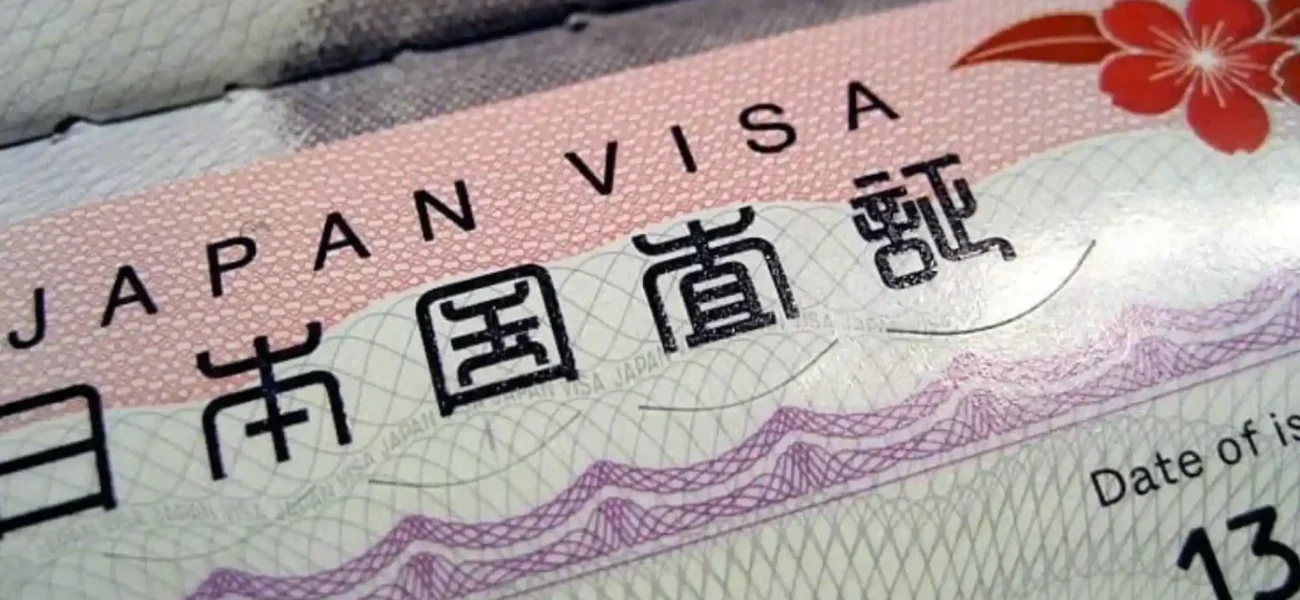
Understanding the Base Japan Tourist Visa Fee for 2026
As of 2026, the standard tourist visa Japan price remains competitive compared to other major destinations like the US or Schengen Zone. For most nationalities, the single-entry tourist visa fee is set at 3,000 JPY (approximately 20–25 USD). A double-entry or multiple-entry visa costs 6,000 JPY (about 40–50 USD). These fees are collected by the Japanese embassy or consulate when you submit your application.
However, it’s important to note that citizens from certain countries—including the United States, Canada, the United Kingdom, Australia, and most European Union nations—do not need a tourist visa for short-term stays (up to 90 days). For travelers from other regions such as India, China, the Philippines, Vietnam, and several Middle Eastern countries, a visa is required, and the above fees apply.
Visa Exemptions and Special Cases
Not everyone needs to pay the tourist visa Japan price in 2026. Japan maintains visa exemption agreements with 68 countries and regions. Popular exempt nationalities include Singaporeans, Malaysians, Thais (for 15 days), and Indonesians (for 15 days). If you hold a valid residence permit from exempt countries like the UAE or the US, you may still need a visa depending on your passport nationality. Always check with your local Japanese embassy before planning.
Additionally, Japanese citizens re-entering the country and certain official or diplomatic passport holders are exempt from visa fees. Students and business travelers on approved programs might also qualify for fee waivers under bilateral agreements.
Additional Charges You Need to Know
While the government visa fee is fixed, most applicants pay more due to service charges, agency fees, and administrative costs. Here’s a realistic breakdown of the total tourist visa Japan price in 2026 when applying through a registered travel agency or visa processing center:

| Fee Component | Amount (JPY) | Amount (USD approx.) |
|---|---|---|
| Single-entry visa fee (government) | 3,000 | 20–25 |
| Multiple-entry visa fee (government) | 6,000 | 40–50 |
| Visa processing center service fee | 1,500 – 3,000 | 10–20 |
| Travel agency handling fee (if applicable) | 4,000 – 10,000 | 25–70 |
| Photocopy & photo services (optional) | 500 – 1,500 | 3–10 |
| Estimated total (single-entry with agency) | 8,500 – 16,000 | 55–105 |
As seen above, the actual out-of-pocket cost can be two to four times higher than the basic government fee, especially if you use a full-service agency. Always ask for a fee breakdown before paying.
Country-Specific Variations in Visa Costs
The tourist visa Japan price in 2026 is not uniform globally. Applicants from India typically pay around 1,500 INR plus VFS global service charges, totaling approximately 3,500–4,500 INR. Travelers from the Philippines pay about 1,500 PHP for single entry, with an additional 600–1,200 PHP in processing fees. In the UAE, Japanese visa fees through authorized agencies range from 300 to 500 AED depending on urgency. For Chinese passport holders, the standard 3,000 JPY applies, but group tourism waivers often reduce per-person costs.
If you’re traveling from the Middle East, it’s worth checking local travel resources. For instance, understanding how visa fees and travel costs interact can help you budget better when visiting multiple countries. Many regional travelers also compare Japan tourist visa costs with other destinations they plan to visit in the same trip.
Processing Time and Urgent Fees
Normal processing for a Japan tourist visa takes between 5 to 10 working days. However, during peak travel seasons like cherry blossom (March–April) or autumn foliage (October–November), waiting times can stretch to three weeks. If you need faster processing, some embassies and agencies offer expedited services at an additional cost of 3,000–5,000 JPY. Same-day or 24-hour services are extremely rare and only available for emergency cases such as bereavement or urgent medical treatment.
Planning ahead not only saves money but also reduces stress. If you’re also organizing other parts of your itinerary, keeping an eye on airline ticket price trends alongside visa fees ensures you get the best overall deal.
How to Pay: Accepted Methods and Currency
Most Japanese embassies and consulates require payment in local currency equivalent to 3,000 or 6,000 JPY at the current exchange rate. Cash is the most common method, though some locations accept bank transfers or credit cards. Visa processing centers like VFS Global or BLS International usually accept credit/debit cards and digital payments but add a convenience fee of 1–3%. Always bring exact change if paying by cash, as many consulates do not keep large bills on hand.
[Insert relevant reference link here]
Important: Visa fees are non-refundable even if your application is denied. For this reason, ensure all documents—flight itinerary, hotel bookings, bank statements, and employment letters—are complete and accurate before submission.
Hidden Costs and Common Traps
Uninformed travelers often end up paying more than necessary. Here are the most common hidden fees:
Photocopy overcharges: Embassies rarely provide free copying; agencies may charge 10–50 JPY per page.
Photo retakes: If your photo doesn’t meet Japan’s strict 2×2 inch, white background, matte finish specifications, you’ll pay for new ones.
Delivery fees: Passport return by courier can add 500–2,500 JPY.
Form filling assistance: Some agencies charge 1,000–3,000 JPY to complete the simple application form.
Bank statement certification: Not usually required, but some local intermediaries add this as a “service.”
To avoid these, consider using official channels directly. If you’re new to international travel planning, you might also find helpful tips in other travel guides, such as this detailed Perhentian Island travel guide, which covers practical budgeting and documentation advice for Asian destinations.
Refund and Rejection Policies
The Japanese government does not refund visa fees under any circumstances. If your visa is rejected, you must pay the full fee again when reapplying. Common rejection reasons include insufficient funds, incomplete travel itineraries, previous overstay in Japan, or mismatched employment documents. In 2026, Japan has tightened scrutiny for first-time travelers from high-risk countries. Therefore, paying a slightly higher fee to a reputable agency that reviews your documents beforehand can actually save you money in the long run.
For travelers who frequently visit Japan for leisure, a multiple-entry visa is more economical if you plan two or more trips within three years. The multiple-entry fee is double the single-entry cost but valid for three to five years, depending on your financial profile and travel history.
Money-Saving Tips for Your Japan Tourist Visa in 2026
Here are actionable ways to lower your total visa expense:
Apply directly at the embassy – Skip agency fees if the embassy in your country accepts individual applications.
Use exact document specifications – One wrong photo size can force you to pay for resubmission.
Apply during non-peak months – January, June, and September often have faster and cheaper processing.
Group applications – Families or travel groups applying together may get discounted handling rates.
Check for promotions – Some authorized visa centers offer reduced service fees during travel fairs.
Understanding broader travel costs also helps you make smarter decisions. For example, comparing visa and airline ticket prices for regional routes can help you prioritize which trips to take first.
Frequently Asked Questions About Japan Tourist Visa Price 2026
Q: Is the Japan tourist visa free for children?
A: Children under 6 years old are often exempt from the visa fee, but processing charges may still apply. Check with your local consulate.
Q: Can I pay the visa fee online in 2026?
A: Only a few embassies offer online payment. Most require in-person cash or bank deposit. The eVisa system for tourists is still limited, but by 2026, more countries may have online options.
Q: Will the tourist visa Japan price increase in 2026?
A: As of early 2026, no official increase has been announced. However, Japan has discussed raising fees to match neighboring countries like South Korea (40 USD) and China (60 USD).
Q: Do I need a separate visa for Okinawa?
A: No. A standard tourist visa covers all of Japan, including Okinawa, Hokkaido, and remote islands.
Q: Can I work on a tourist visa in Japan?
A: No. Working is strictly prohibited. You must obtain a proper work visa.
Q: Is travel insurance mandatory for a Japan tourist visa?
A: Not yet mandatory, but highly recommended. Some embassies ask for proof of travel medical insurance.
If you’re planning a longer trip combining Japan with other Asian destinations, keep in mind that each country may have different visa rules. For travelers flying via or staying in Dubai, understanding local transit visa requirements is also useful, and you can explore area guides like Al Qiyadah Metro Station access tips for smoother connections.
Final Verdict: Is the Japan Tourist Visa Worth the Cost?
Absolutely. Considering Japan’s exceptional infrastructure, safety, cleanliness, and cultural richness, the tourist visa Japan price in 2026 remains one of the best value-for-money travel investments. Even at the higher end of 100 USD with agency fees, that is a small fraction of your total trip cost. For the experience of serene temples, world-class sushi, bullet trains, and neon-lit cityscapes, the visa fee is negligible. Plan ahead, pay only what is necessary, and use official or trusted channels to avoid overcharges. Your Japanese adventure awaits.
Related Reading: Tourist Visa for Australia from India Price in 2026: Updated Fees and Price Breakdown
Related Reading: Togo Visa Price in 2026: Complete Fee Guide and Visa Cost Breakdown