Introduction
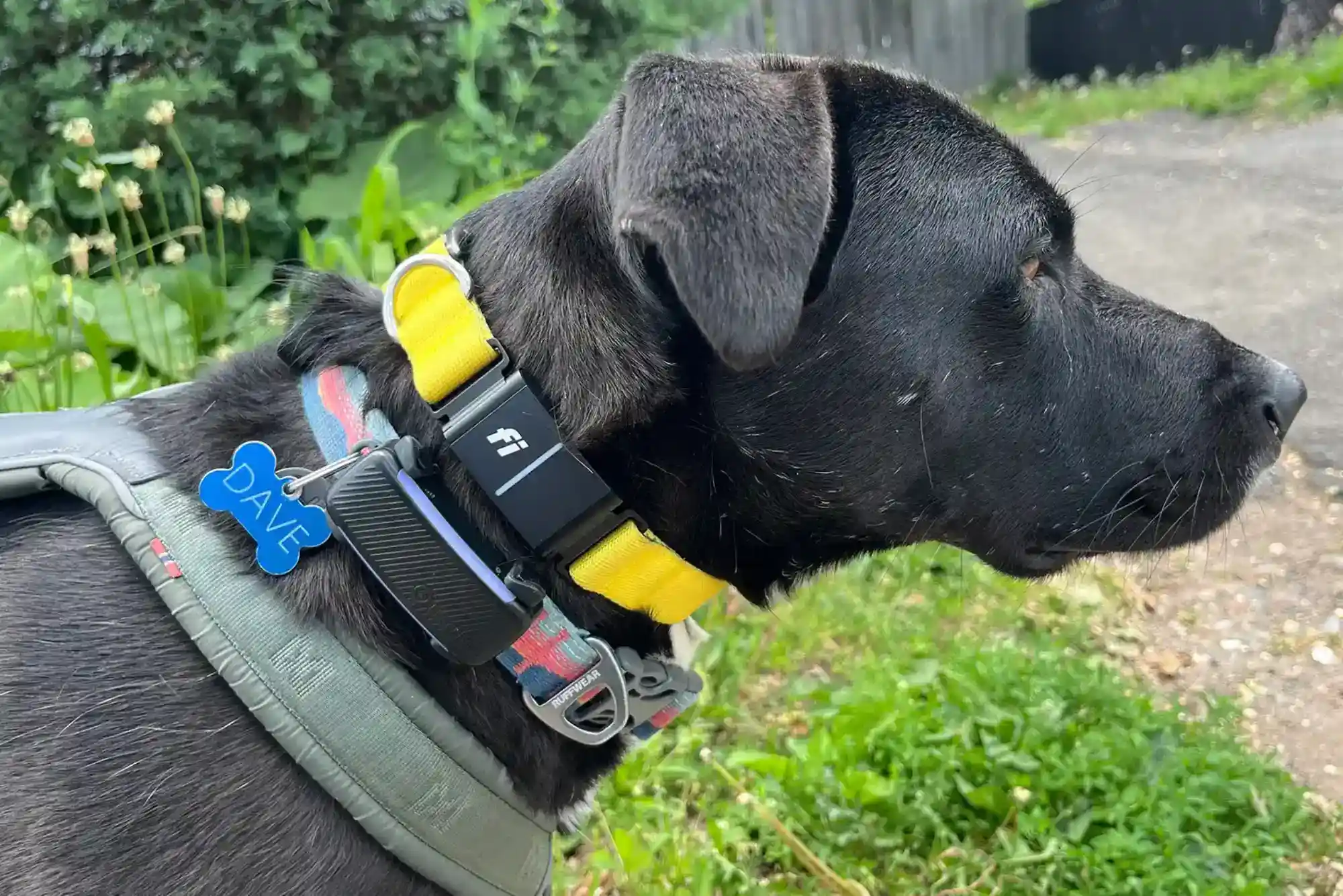
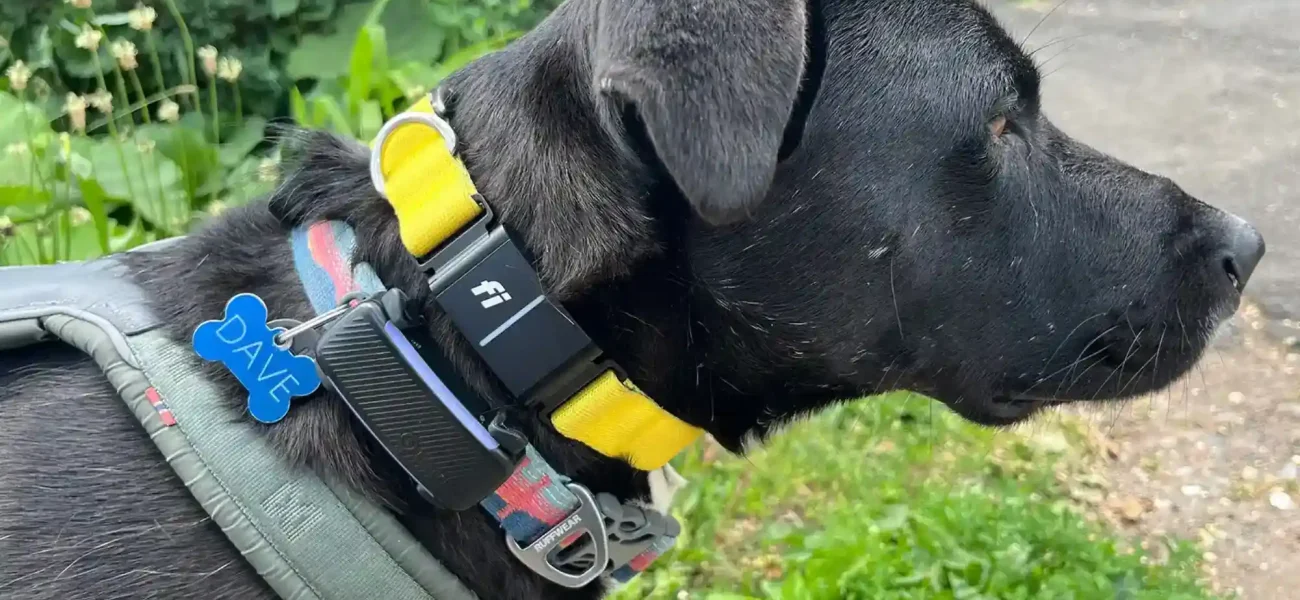
Traveling with a dog brings plenty of excitement, but unfamiliar places also create new safety risks. A dog that normally stays close at home may become distracted by new smells, people, wildlife, traffic, or an unfamiliar environment. That is why choosing the best GPS dog trackers for traveling can give pet owners valuable peace of mind.
Modern dog tracking technology is not limited to traditional GPS collars. Cellular trackers can provide live location updates through mobile networks, Bluetooth trackers can help locate a dog nearby or provide a useful backup, and satellite-enabled systems are designed for adventures where cellular coverage may disappear completely.
The important point is that these technologies work differently. GPS determines location, but another communication method is usually needed to send that location to you. For example, a cellular tracker can use GPS satellites to determine your dog’s position and then use a mobile network to transmit it to an app. Without cellular coverage, a typical cellular GPS tracker may not be able to send new location information.
Understanding these differences before your trip can help you choose a tracker that actually matches your destination, your dog’s behavior, and the type of travel you plan to do.
Why Use a GPS Dog Tracker While Traveling?
Even well-trained dogs can behave differently when they are away from home. A new hotel, campsite, vacation rental, beach, hiking trail, or busy city can introduce distractions that make an escape more likely.
A tracker can help you respond faster if your dog slips through an open door, gets away from a campsite, runs off during a hike, or becomes separated from you in an unfamiliar area.

The biggest advantage of a dedicated GPS tracker is that it can provide location information over a much greater distance than a basic Bluetooth tag. Some cellular trackers offer live tracking through a smartphone app, while specialized outdoor systems can communicate directly with a handheld receiver.
For travelers, this distinction matters. A tracker that works perfectly around town may not be the right choice for a remote mountain trail.
How GPS Dog Trackers Actually Work
A common misunderstanding is that GPS itself sends your dog’s location to your phone. GPS primarily helps the tracker calculate where it is by receiving signals from navigation satellites.
The tracker then needs another communication method to deliver that position to you. Cellular models use mobile networks, Bluetooth devices rely on nearby compatible phones, and some outdoor systems use radio or satellite communication.
This is why a product described simply as a “GPS dog tracker” can behave very differently from another product carrying the same label.
For example, Tractive explains that its trackers require both GPS satellite reception and cellular coverage to send location information to the owner’s app.
That basic distinction should be the starting point when comparing the best GPS dog trackers for traveling.
Cellular GPS Dog Trackers for Travel
Cellular GPS trackers are usually the most convenient choice for ordinary vacations, road trips, city travel, and destinations with reliable mobile coverage.
The tracker typically contains a built-in SIM or cellular connection. It calculates the dog’s position using GPS and then transmits that information through a mobile network to an app on your smartphone.
This setup gives cellular trackers an important advantage: their practical range is not limited by how close you are to the dog. If your dog runs several miles away but the tracker still has suitable cellular coverage, you may continue receiving location updates.
Tractive, for example, states that its trackers can connect to cellular networks in more than 175 countries with the appropriate subscription, making international travel possible in supported coverage areas.
Advantages of Cellular Trackers
The biggest advantage is convenience. You can generally monitor your dog using the same smartphone you already carry.
Live tracking can also be extremely useful when a dog is moving quickly. Tractive says its LIVE Tracking mode can provide updates every two to three seconds, although actual performance depends on GPS and cellular conditions.
Many cellular trackers also include virtual fences, escape alerts, location history, activity monitoring, and other smartphone-based features.
For international travel, check the coverage rules before leaving. Some subscriptions may restrict service to a particular country, while international plans can provide broader coverage.
Limitations of Cellular Trackers
The biggest weakness is cellular dependency.
If your dog disappears into an area with little or no mobile service, a cellular tracker may stop sending fresh location information. The device may continue recording information, but you might not see its current position until communication is restored.
Poor coverage can also reduce battery life because the tracker may work harder to maintain a network connection.
For remote hiking, wilderness camping, and backcountry travel, this limitation deserves serious consideration.
Bluetooth Trackers for Dogs
Bluetooth trackers are different from dedicated GPS trackers. A Bluetooth tag does not normally calculate and transmit your dog’s live GPS position by itself.
Instead, it communicates over Bluetooth with nearby devices. Apple’s AirTag, for example, can use the Find My network when it is outside the owner’s Bluetooth range. Nearby Apple devices can detect the AirTag and anonymously relay an approximate location to the owner.
That makes Bluetooth tracking useful as an additional layer of protection.
When Bluetooth Makes Sense
Bluetooth trackers can be helpful during hotel stays, airports, crowded tourist areas, parking lots, and other locations where many compatible smartphones are nearby.
They are also attractive because they generally do not require the same type of cellular subscription associated with dedicated real-time GPS trackers.
However, they should not automatically be treated as a replacement for a purpose-built GPS dog tracker.
If your dog runs away into an area with few compatible devices nearby, a Bluetooth tracker may not provide a useful current location.
For that reason, many traveling pet owners can benefit from thinking of Bluetooth as a backup rather than their primary long-distance tracking system.
Satellite Tracking for Remote Adventures
Satellite technology becomes particularly interesting when your trip takes you beyond dependable cellular coverage.
There is an important distinction here: a tracker can use GPS satellites to determine location without being a satellite communicator. Some advanced outdoor systems use satellite communication separately to transmit information when cellular networks are unavailable.
Garmin’s Alpha 300i, for example, combines dog tracking with inReach satellite communication. Garmin states that inReach tracking can transmit position information over the Iridium satellite network, while its compatible dog collars communicate with the handheld for dog tracking.
This type of equipment is designed more for serious outdoor use than casual city vacations.
Why Satellite Systems Are Useful
If you regularly hike in remote mountains, camp far from roads, hunt, or explore wilderness areas, cellular coverage cannot always be assumed.
Satellite communication can provide an additional communication path when mobile networks are unavailable. Garmin’s inReach technology, for instance, can provide satellite messaging and SOS capabilities on compatible devices with an active subscription.
The trade-off is that satellite-oriented equipment can be more expensive, more specialized, and less convenient for everyday pet owners.
It is also important to understand that satellite communication generally needs a suitable view of the sky. Garmin specifically notes that its inReach functions require satellite access and a clear view of the sky for reliable communication.
Cellular vs. Bluetooth vs. Satellite: Which Technology Fits Your Trip?
The right technology depends primarily on where you are going.
For a road trip through cities and suburbs, cellular tracking is often the most practical solution because your phone and the tracker can communicate through mobile networks.
For a short vacation where your dog stays close to you, a Bluetooth tracker may provide useful additional protection, especially in crowded locations.
For serious backcountry adventures, a specialized radio or satellite-supported system deserves more attention because ordinary cellular coverage may disappear.
The key is not simply choosing the device with the longest advertised range. Instead, ask what communication infrastructure will actually exist where your dog could become lost.
A tracker with impressive features is not particularly useful if its communication method cannot operate at your destination.
Battery Life Matters More Than Many Travelers Expect
A tracker cannot protect your dog if its battery is dead.
Battery performance depends heavily on how frequently the tracker determines and transmits location. Live tracking usually consumes considerably more power than occasional location updates.
Cellular coverage also affects battery performance. When a tracker struggles to maintain a network connection, it may use more energy trying to communicate.
Before traveling, fully charge the tracker and understand how its battery-saving modes work. If you are going on a multi-day trip, take the appropriate charging cable or power bank and establish a charging routine.
Do not rely solely on the manufacturer’s maximum battery claim. Real-world battery life can change substantially depending on tracking frequency, network strength, temperature, terrain, and how actively your dog moves.
Check Coverage Before Leaving Home
One of the smartest things you can do before using a tracker on vacation is test it.
Walk around your neighborhood with the tracker attached and use its live tracking function. If possible, test it in locations that resemble your destination, such as wooded areas, underground parking, large buildings, or open countryside.
If you are traveling internationally, verify whether your subscription supports the countries you plan to visit.
Tractive specifically recommends checking destination coverage before international travel and notes that its international functionality depends on both cellular coverage and GPS reception.
A few minutes of testing can reveal problems before they become an emergency.
Consider Your Dog’s Size and Comfort
Technology should never come at the expense of your dog’s comfort.
The tracker should be securely attached without making the collar excessively heavy or uncomfortable. Check the manufacturer’s recommended dog size and collar compatibility before buying.
The device should also remain secure during running, swimming, jumping, and normal outdoor activity if those activities are expected during your trip.
Water resistance is another important consideration. A dog may encounter rain, puddles, swimming pools, beaches, or unexpected water crossings while traveling.
The best GPS dog trackers for traveling are therefore not necessarily the ones with the most features. The best choice is the one your dog can comfortably wear and that can reliably communicate in the environment where you expect to use it.
GPS Accuracy Is Not the Same as Exact Position
Even a high-quality GPS tracker does not create a perfectly precise dot that always represents your dog’s exact paw position.
Buildings, trees, terrain, satellite visibility, and network conditions can affect the quality and speed of location updates.
For this reason, treat the map location as valuable guidance rather than an absolute guarantee of your dog’s exact position.
A tracker can help you narrow down the search dramatically, but you should still combine it with a collar ID tag, microchip, leash discipline, and sensible travel precautions.
Do GPS Dog Trackers Require a Subscription?
Many real-time cellular trackers do require subscriptions because the device needs cellular service to communicate with the owner’s phone.
For example, Tractive explains that its subscription covers the cellular network costs associated with sending GPS position data to the user’s app.
Satellite communication services can also require subscriptions. Garmin states that an active inReach subscription is required for features such as satellite messaging, SOS, and tracking on compatible Alpha devices.
Bluetooth item trackers work differently and generally do not depend on a dedicated cellular subscription.
When comparing costs, therefore, look beyond the initial hardware price. Consider the ongoing subscription, charging accessories, replacement parts, and the amount of tracking you actually need.
How to Choose the Best GPS Dog Trackers for Traveling
Start with the destination rather than the device.
If you mostly travel through areas with dependable cellular service, a cellular GPS tracker is likely to offer the most convenient balance of live tracking and smartphone integration.
If you want inexpensive additional protection around hotels, airports, or urban areas, a Bluetooth tracker can make sense as a secondary tool.
FAQs
What is the best GPS tracker for a dog?
The right tracker depends on your dog’s lifestyle and your travel environment. Cellular GPS trackers are generally convenient for everyday travel where mobile coverage is available, while specialized radio or satellite-supported systems are better suited to remote outdoor environments.
Do GPS dog trackers work without cell service?
A typical cellular GPS dog tracker cannot send live location information to your phone without cellular connectivity. Tractive, for example, states that its system needs both GPS reception and cellular coverage to communicate with the app.
Some specialized outdoor tracking systems use different communication technologies and can continue functioning where cellular networks are unavailable.
Can I use a GPS dog tracker internationally?
Some trackers support international travel, but coverage depends on the device and subscription. Tractive states that its Premium plan supports use in more than 175 countries where compatible cellular coverage is available.
Always check the specific countries you plan to visit before departure.
Are Bluetooth trackers good for dogs?
Bluetooth trackers can be useful, but they should not automatically be considered equivalent to dedicated GPS trackers. They depend on nearby compatible devices or a crowdsourced network to report their location. Apple’s Find My network, for example, uses nearby Apple devices to detect compatible accessories and relay approximate locations.
For a dog that may run far away, a dedicated GPS system can provide more appropriate tracking capabilities.
Can a dog GPS tracker work anywhere?
No tracker works literally everywhere. Cellular trackers depend on mobile coverage, while satellite systems need suitable satellite visibility and may have their own environmental limitations. GPS reception itself can also be affected by surroundings.
The safest approach is to choose technology based on the places you actually travel.
How often should I charge my dog’s GPS tracker?
That depends on the tracker, tracking mode, network conditions, and how actively your dog moves. Frequent live tracking usually consumes more power than normal monitoring. Before a trip, charge the device fully and learn its real-world battery behavior through testing.
Choosing among the best GPS dog trackers for traveling becomes much easier once you understand the technology behind each option.
Cellular GPS trackers are convenient for everyday travel and provide smartphone-based tracking wherever compatible mobile coverage exists. Bluetooth trackers can add a useful layer of protection in populated areas, but they are not a substitute for dedicated long-distance tracking. Satellite and specialized outdoor systems are worth considering when your adventures take you beyond reliable cellular networks.